Source Steel Head Garden Rake for Farming, Landscaping, and Yard Work
Explore 30 steel head garden rake options for agricultural and garden use. Compare twisted tooth, flat, and disc rake types with steel or wooden handles. Find customized or standard models from Hebei suppliers for efficient soil management; compare the available evidence and request quotations based on your requirements.
Key considerations
Products List




Comprehensive Sourcing Guide
Steel Head Garden Rake Sourcing Guide
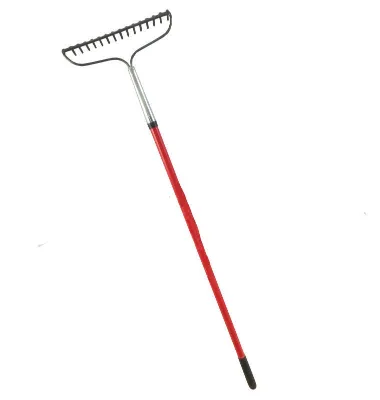
Procuring steel head garden rakes requires distinguishing between agricultural-grade tools and general landscaping equipment, as the supply chain often blends these categories. Buyers must verify whether the product is designed for heavy-duty soil cultivation or light surface grooming, since the observed listings include both single-tooth twisted variants and polydentate flat rakes. The material composition, ranging from railway steel to carbon steel, directly influences durability and suitability for specific soil conditions.
Sourcing decisions should also account for the connection mode, which varies between screw connections and insert sleeve designs. This structural difference dictates the ease of handle replacement and the overall longevity of the tool under stress. Buyers need to confirm if the handle material, typically wood in observed listings, meets the ergonomic requirements for extended use or if alternative materials are available for specific market demands.
Product Scope and Observed Listing Signals
The observed product range spans from single-tooth twisted rakes to multi-tooth polydentate models, indicating a broad scope that serves both specialized agriculture and general garden maintenance. Listings explicitly mention applications in agriculture and gardens, suggesting that the same manufacturing base often produces tools for distinct end-uses. Buyers should carefully review the shape descriptions, such as sharp rakes versus round rakes, to ensure the tool matches the intended soil interaction requirements.
Listing signals also reveal significant variation in customization options, with some items marked as customized and others as non-customized. This distinction is critical for buyers seeking private label opportunities or specific OEM configurations. The presence of multiple item numbers like R108, R103, and R110 suggests a modular product line where specific features can be mixed and matched, requiring precise specification checks before placing bulk orders.
Technical Specifications to Verify
Head material composition is a primary verification point, as observed data lists both railway steel and carbon steel as common options. Buyers must confirm the specific alloy grade to ensure the teeth maintain sharpness and resist bending under heavy loads. The finish, typically color painted in black, blue, or red, serves as a protective layer against corrosion, but the thickness and quality of this coating should be validated to prevent premature rusting in outdoor environments.
Teeth configuration and count are equally vital, with specifications ranging from single teeth to sixteen or twenty teeth per unit. The shape of the teeth, described as either sharp rakes or round rakes, determines the tool's efficiency in different soil types. Additionally, the handle connection mode, whether screw or insert sleeve, must be inspected to ensure it provides a secure fit that prevents wobbling during vigorous raking operations.
Compliance and Safety Documentation
While specific certification documents are not explicitly detailed in the provided listings, buyers should request proof of material standards to ensure the steel meets industry safety requirements. The observed standard references, such as thickness ranges of 2.5mm to 4.0mm, serve as a baseline for structural integrity but require independent verification to confirm they align with international safety norms for hand tools.
Safety documentation should also address the finish and coating processes to ensure they do not release harmful substances during manufacturing or use. Buyers must verify that the color painting process adheres to environmental regulations, particularly if the tools are destined for markets with strict chemical compliance rules. Requesting material safety data sheets for the paint and steel alloys is a prudent step to mitigate liability risks associated with product use.
Cost Drivers and Commercial Terms
Pricing for these tools is influenced heavily by the head material type and the complexity of the teeth configuration, with observed ranges spanning from $0.30 to $100. The variation in price often reflects the difference between basic carbon steel models and more robust railway steel variants with specialized finishes. Buyers should analyze the cost per unit against the expected lifespan, as higher initial costs for premium materials may yield better long-term value.
Commercial terms are significantly impacted by the delivery port and lead time, with Xingang, Tianjin serving as the primary shipping origin. The observed delivery time of 30 to 45 days upon receiving the deposit is a critical factor for supply chain planning and inventory management. Additionally, the minimum order quantity, which ranges from 1 to 3000 units, allows for flexibility but requires careful calculation to optimize shipping costs and minimize per-unit freight expenses.
Supplier Qualification and Quality Control
Supplier qualification should focus on their ability to provide consistent customization support, as the market offers both OEM and ODM capabilities. Buyers must assess whether the supplier can reliably produce the specific item numbers and specifications required, such as the R106I or R110 models, without compromising on the structural integrity of the steel head. Verifying the supplier's origin in Hebei or Tangshan, China, provides context for their manufacturing expertise in this specific sector.
Quality control protocols must include rigorous testing of the connection modes and the shrink properties of the materials. Since some listings indicate the product is not stretchable while others note shrinkage, understanding the material behavior under stress is essential for preventing field failures. Inspecting the packing standards, which vary from 24 to 60 pieces per carton, ensures that the logistics process does not damage the tools before they reach the end customer.
Long-Term Procurement Checks
Long-term procurement success depends on monitoring the consistency of the product standard, particularly the steel thickness and weight specifications like 260g to 400g. Buyers should establish a baseline for these metrics and conduct periodic audits to ensure that subsequent production runs maintain the same quality levels. Variations in these specifications can indicate a shift in raw material sourcing or manufacturing processes that might affect the tool's performance.
Regular feedback loops with the end-users are necessary to validate the durability of the handle material and the effectiveness of the teeth in real-world conditions. Since the product scope includes both agricultural and garden applications, understanding how the tools perform in different environments helps refine future purchasing decisions. Maintaining a relationship with the supplier to discuss potential improvements in the finish or connection modes can lead to better product iterations over time.
FAQs
What materials are used for the head and handle?
The rake head is constructed from high-quality steel, including railway steel and carbon steel variants, ensuring durability for heavy-duty tasks. The handle is made from solid wood, providing a comfortable and secure grip for the user during extended periods of garden maintenance and agricultural work.
Can I customize the rake specifications for my brand?
Yes, customization is available for this product line. Buyers can request OEM and ODM support to tailor the rake to specific brand requirements. Options include customizing the color, such as black, blue, red, or orange, and adjusting the head shape or tooth configuration to meet unique operational needs.
What are the typical delivery times and ports?
The standard delivery time is 30 to 45 days after receiving the deposit. Products are shipped from Xingang, Tianjin, by sea. This lead time allows for proper manufacturing and quality control, ensuring that each rake meets the specified standards before it is dispatched to international buyers for further distribution.
What packaging options are available for bulk orders?
Packaging is designed for efficient shipping and protection. Standard options include 24 pieces per carton or 60 pieces per carton, depending on the specific model and order volume. Carton packing ensures that the rakes remain secure during transit, minimizing damage risks and facilitating easy handling upon arrival at the destination port.
Which specifications and tooth types are offered?
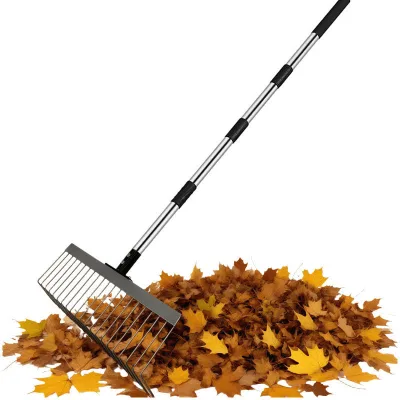
The product range includes various specifications, such as 16-tooth and 20-tooth models. Available types include twisted tooth rakes, flat rakes, and steel disc rakes. The head shape can be a sharp rake or round rake, allowing buyers to select the configuration that best suits their specific gardening or agricultural application requirements.
Where are these steel rakes manufactured?
These rakes are originally produced in Hebei, China, with specific origins noted in Tangshan. The manufacturing location ensures access to high-quality steel materials and established production facilities. This regional expertise contributes to the consistent quality and reliability of the final product, meeting international standards for garden and agricultural tools.